Description
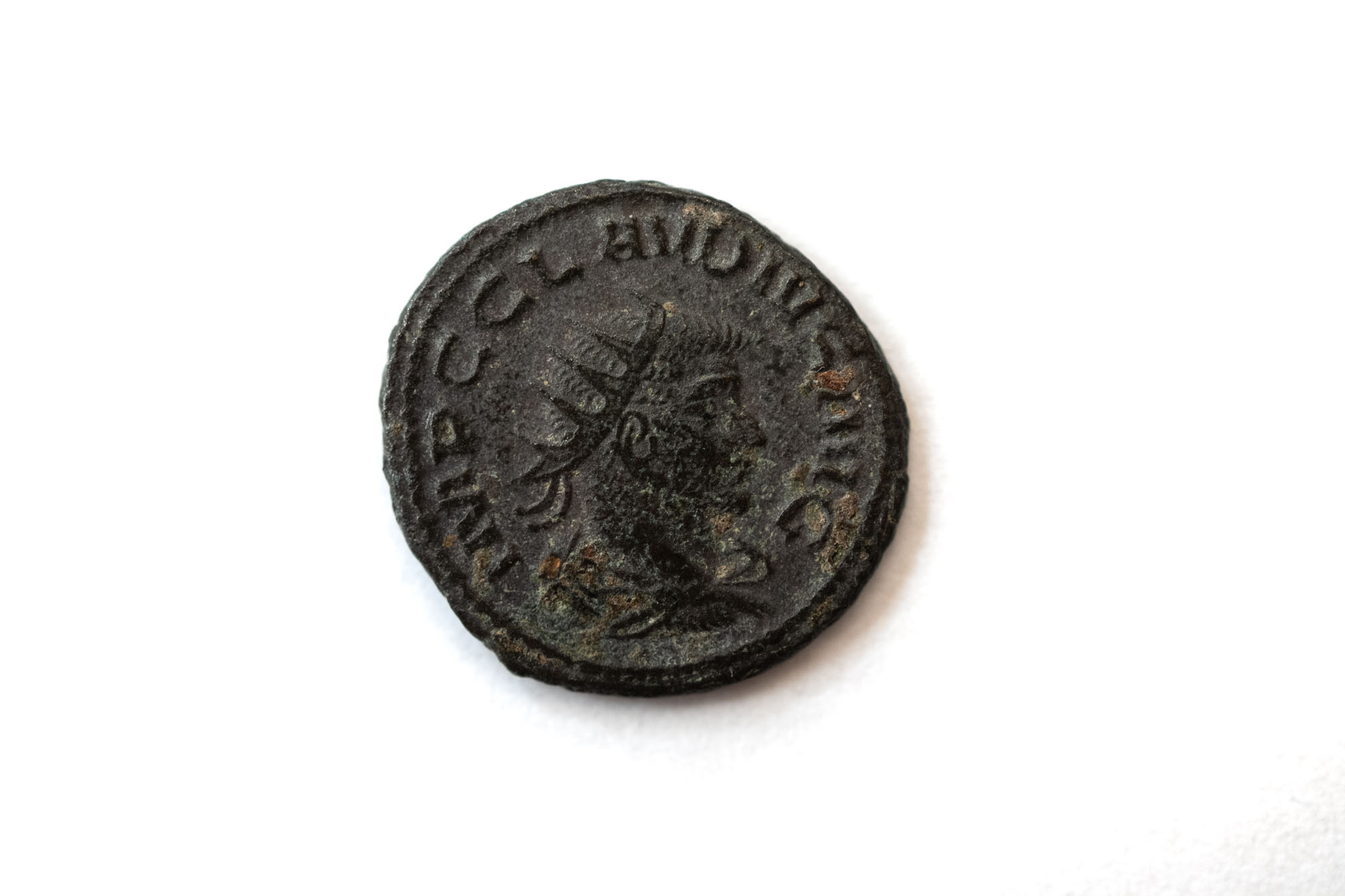
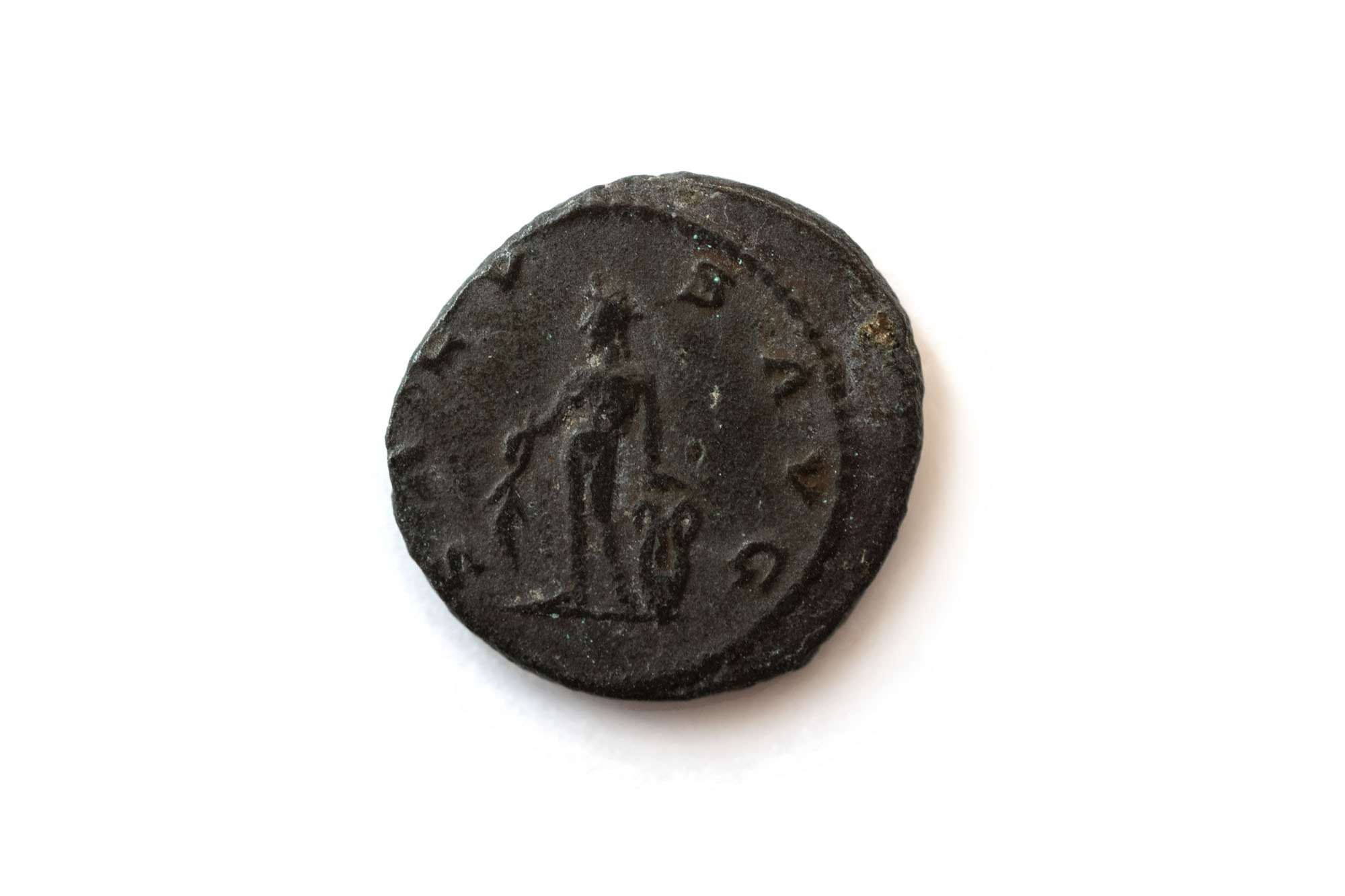
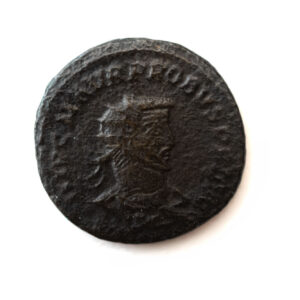
This Antoninianus of Emperor Claudius II Gothicus, struck during his brief reign from AD 268 to 270, is an attractive example of Roman Imperial coinage from the turbulent Crisis of the Third Century. Graded VF-40 (Very Fine), the coin retains strong design detail and offers an excellent representation of the coinage of one of Rome’s celebrated soldier-emperors.
Coin Details
- Ruler: Claudius II Gothicus
- Reign: AD 268–270
- Denomination: Antoninianus
- Grade: VF-40 (Very Fine)
- Period: Roman Imperial
- Era: Crisis of the Third Century
- Metal: Billon / silvered bronze
- Obverse: Radiate bust of Claudius II facing right
- Reverse: Varies by issue; commonly features a deity, personification, military theme, or imperial virtue
- Edge: Plain
Historical Background
Marcus Aurelius Claudius, better known as Claudius II Gothicus, became emperor in AD 268 following the assassination of Gallienus. His reign lasted only about two years, but it was marked by significant military achievements.
His famous title “Gothicus” was awarded following his decisive victory over the Goths at the Battle of Naissus in AD 269. The battle is generally regarded as one of the major Roman victories of the 3rd century and helped relieve intense pressure on the Balkan provinces.
Claudius also faced serious challenges from other enemies and from the continuing political fragmentation of the empire. Despite the short duration of his reign, his military successes contributed to the restoration of Roman authority during a particularly difficult period.
Claudius II died in AD 270, most likely from the epidemic commonly associated with the Cyprian Plague, and was succeeded by the emperor Aurelian.
The Antoninianus
The antoninianus was introduced by Emperor Caracalla in the early 3rd century and became the dominant silver-denomination coin of the Roman Empire during the Crisis of the Third Century.
By the reign of Claudius II, the antoninianus was generally struck from debased silver alloy or billon, often with a thin silvered surface. The emperor’s radiate crown was the denomination’s characteristic feature.
Claudius II produced a large and varied series of antoniniani. Many of his reverse types celebrated military victory, divine protection, imperial virtues, and the security of the Roman state.
Collector Appeal
This VF-40 Antoninianus of Claudius II Gothicus represents an important moment in Roman history, when military emperors fought to preserve the empire amid political division and external invasion.
The combination of a well-preserved imperial portrait, the distinctive radiate crown, and Claudius II’s association with the famous Gothic victories makes this an appealing addition to a collection of Roman Imperial coinage.
A well-preserved antoninianus from the short but consequential reign of Claudius II Gothicus, connecting the collector with Rome’s struggle for survival during the Crisis of the Third Century.

There are no reviews yet.