Description
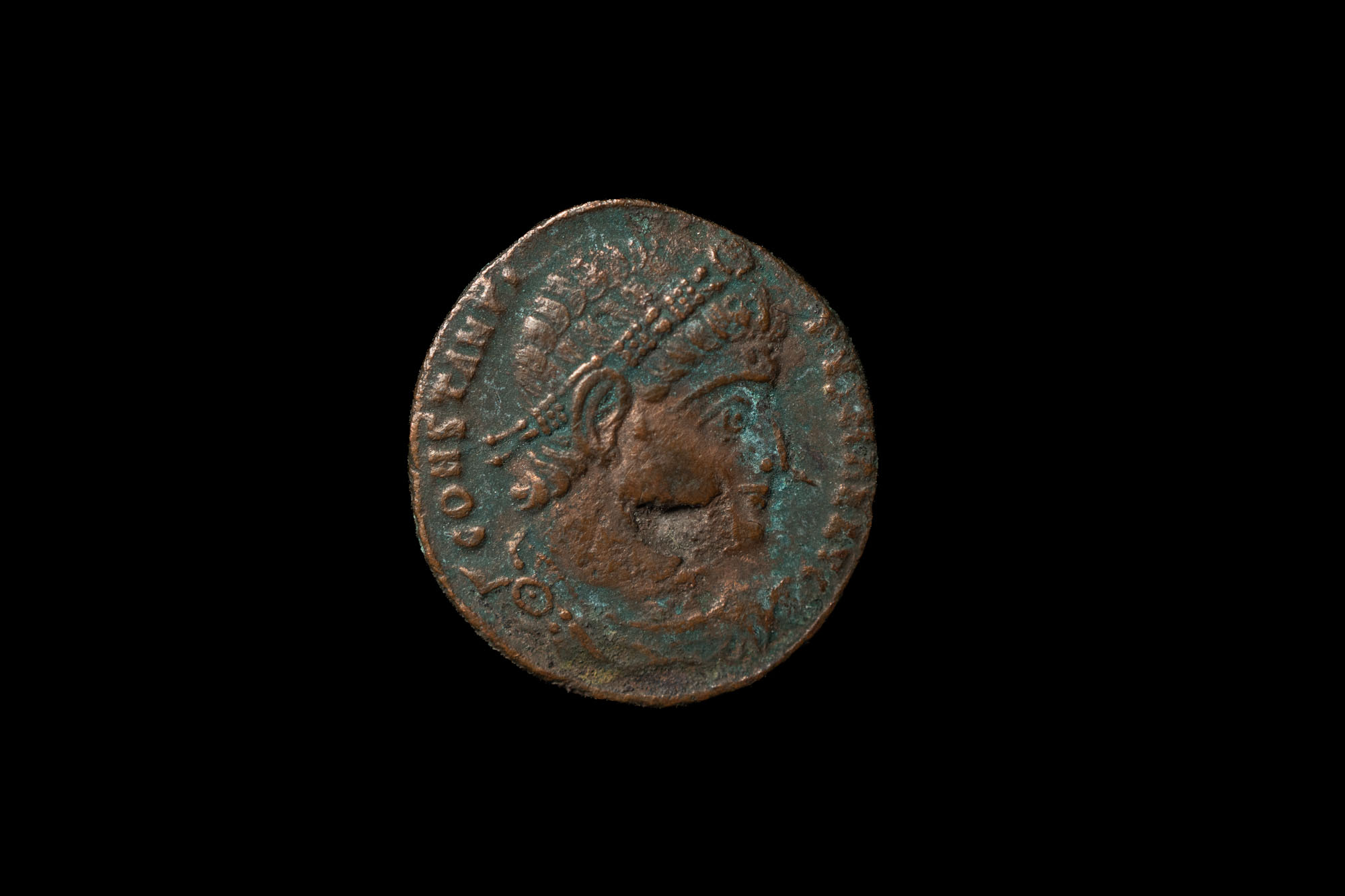
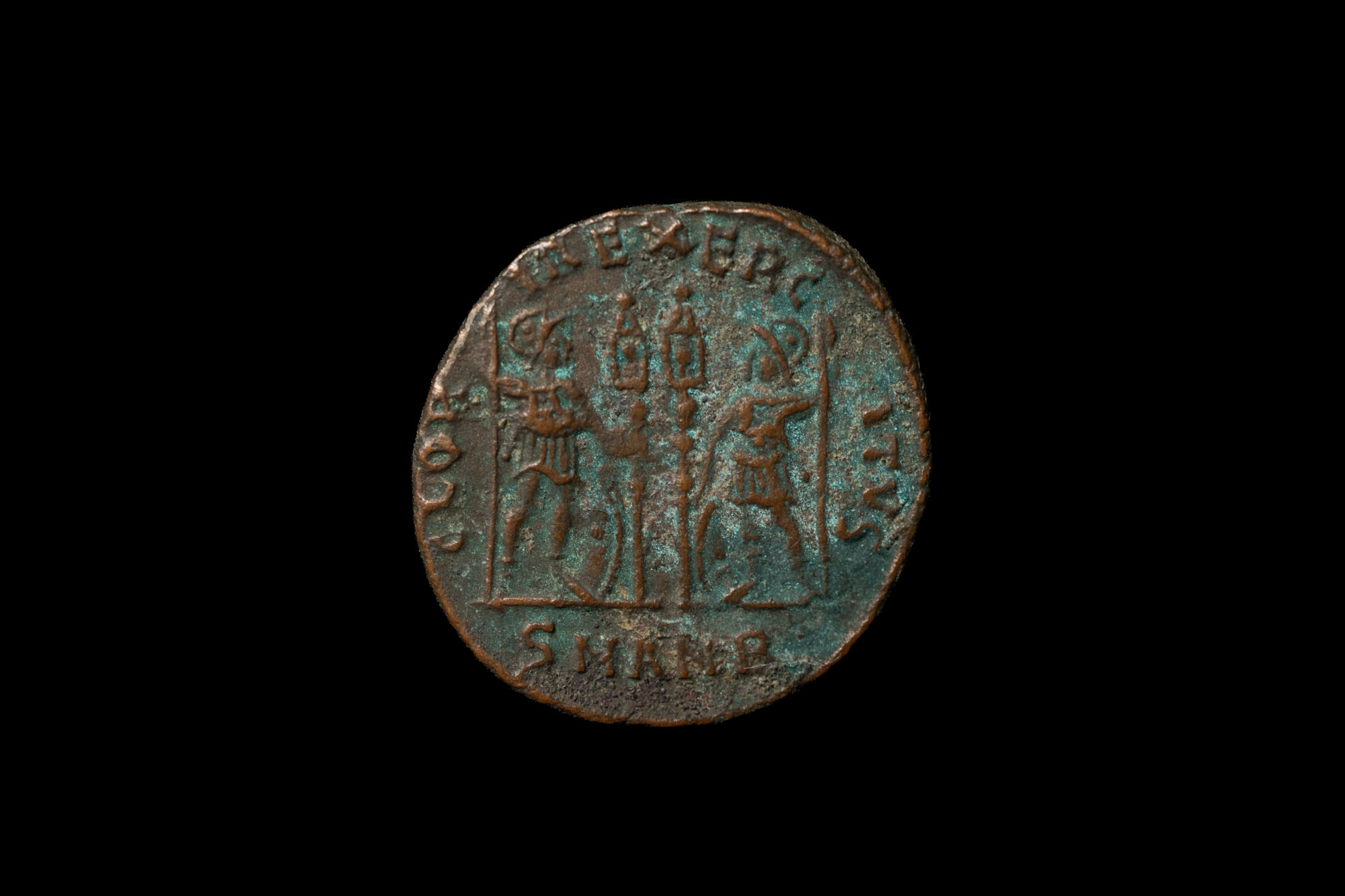
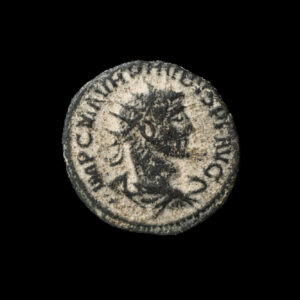
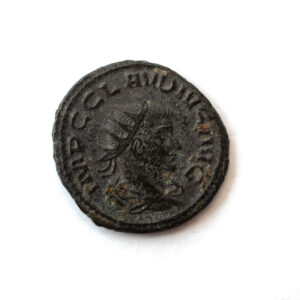
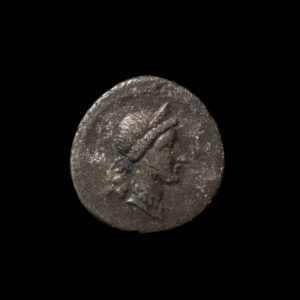
This Nummus of Emperor Constantine I, also known as Constantine the Great, is an attractive example of Late Roman bronze coinage from the reign of one of the most influential rulers in Roman history. Struck at the Antioch Mint, one of the major centers of Roman coin production in the eastern provinces, this coin offers a tangible connection to the emperor whose reign transformed the political and religious landscape of the Roman Empire.
Graded VF-40 (Very Fine), this ancient coin retains pleasing detail and historical character, making it an appealing addition to a collection of Roman Imperial coinage.
Coin Details
- Ruler: Constantine I (Constantine the Great)
- Reign: AD 306–337
- Denomination: Nummus
- Mint: Antioch, Syria (modern-day Antakya, Turkey)
- Grade: VF-40 (Very Fine)
- Period: Late Roman Empire
- Metal: Bronze
- Obverse: Imperial portrait of Constantine I, with a design and inscription depending on the specific issue
- Reverse: Varies by issue; may feature Roman deities, military symbolism, imperial virtues, or commemorative imagery
- Edge: Plain
Historical Background
Constantine the Great became emperor in AD 306 following the death of his father, Constantius Chlorus. His rise to power took place during a period of political instability and competing imperial claims.
After years of military campaigns and civil wars, Constantine defeated his rival Maxentius at the famous Battle of the Milvian Bridge in AD 312. According to Christian tradition, this victory was preceded by a divine vision that influenced Constantine’s relationship with Christianity.
In AD 313, Constantine and Licinius issued the agreement commonly known as the Edict of Milan, granting religious toleration to Christians and allowing them to practice their faith openly.
Constantine later became sole ruler of the Roman Empire and founded Constantinople in AD 330, establishing a new imperial capital in the East. His reign marked a decisive turning point in Roman history and the development of Christianity in Europe.
The Antioch Mint
The ancient city of Antioch, located in present-day Turkey, was one of the most important cities in the eastern Roman Empire. Its strategic location and economic importance made it a major center of administration, trade, and military activity.
The Antioch Mint produced substantial quantities of imperial coinage during Constantine’s reign. Mint marks such as ANT or SMANT, depending on the period and issue, help identify coins produced at this important mint.
Antioch-minted coins are particularly interesting to collectors because they represent the eastern provinces during a period of significant political, economic, and religious transformation.
The Nummus
The nummus was an important bronze denomination in the reformed Roman monetary system established during the early 4th century. Constantine continued to develop the imperial coinage system, introducing changes in weight, composition, and design over the course of his reign.
Roman coins were not merely instruments of commerce. Their portraits and reverse inscriptions communicated imperial authority, military victories, religious beliefs, and political messages throughout the empire.
Collector Appeal
This VF-40 Nummus of Constantine I offers collectors an opportunity to own an authentic piece of Roman history from the reign of one of antiquity’s most consequential emperors.
The combination of Constantine’s historical significance, the Antioch Mint attribution, and the coin’s preserved detail makes it an appealing representative of Late Roman bronze coinage.
A fascinating ancient Roman bronze from the reign of Constantine the Great, connecting the collector with the emperor who helped shape the future of the Roman Empire and Christianity.

There are no reviews yet.